
How to Save Money on a Remodel Without Sacrificing Quality
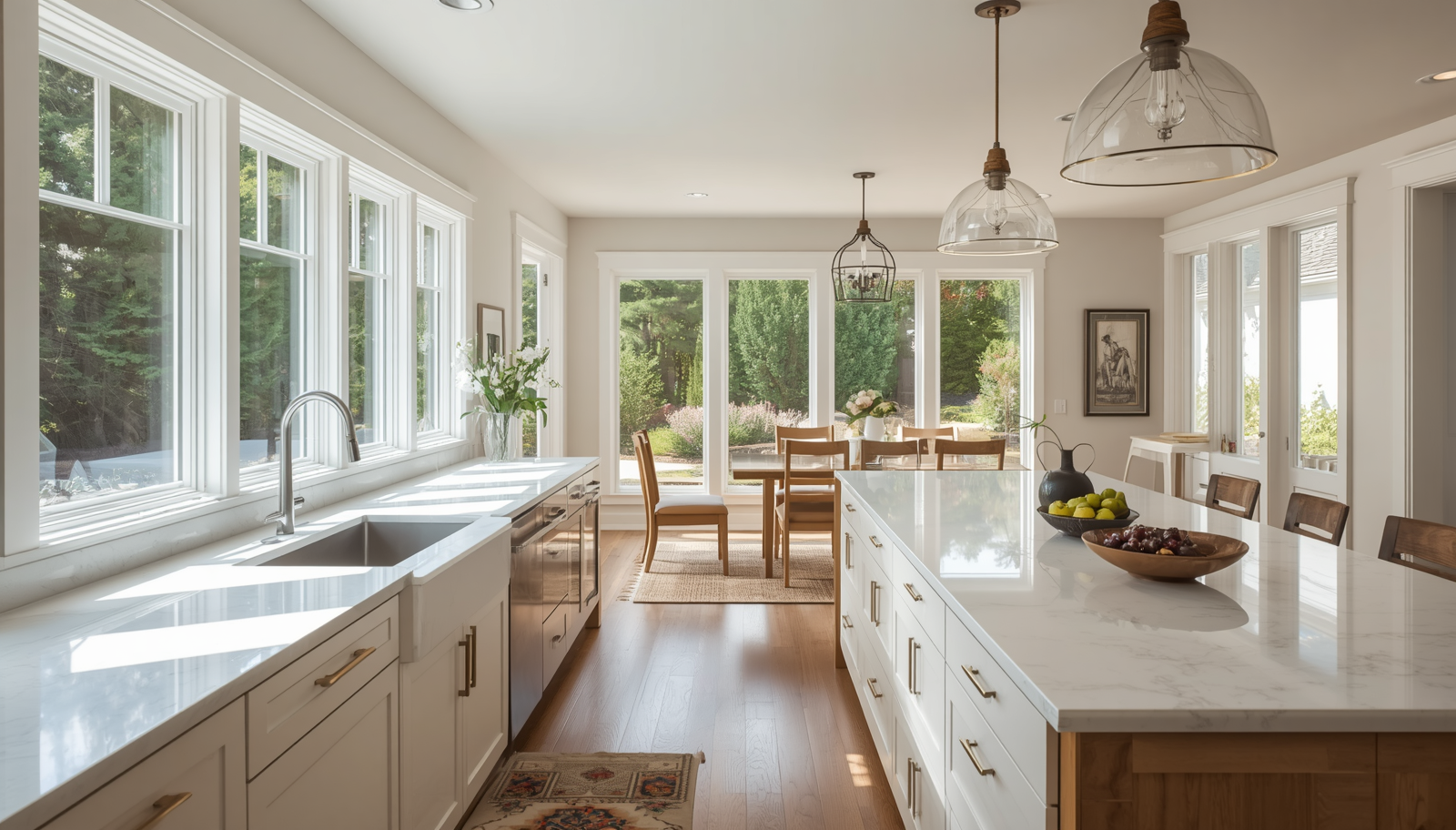
Smart planning strategies every Northern California homeowner should know before starting a renovation.
Quick Answer
Saving money on a remodel isn't about choosing the cheapest materials or the lowest contractor bid. It's about making informed decisions, planning ahead, prioritizing upgrades that add lasting value, and knowing where to invest—and where you can reasonably save. With thoughtful planning, Northern California homeowners can complete successful remodeling projects while protecting both their budget and their home's long-term value.
Why It Matters
Whether you're updating a kitchen in the East Bay, renovating a ranch home in Sacramento, modernizing a Silicon Valley property, or restoring a classic home in Marin County, remodeling is one of the largest investments you'll make after purchasing your home.
Material prices fluctuate. Labor costs continue to rise. Permit requirements can add time and expense. Yet thoughtful remodeling remains one of the best ways to improve daily living while maintaining—or even increasing—your home's value.
The difference between a successful remodel and a frustrating one often comes down to planning rather than spending.
Before You Spend a Dollar
Before meeting with contractors or selecting finishes, answer these five questions:
What problem am I trying to solve?
Which improvements are essential versus simply desirable?
How long do I plan to stay in this home?
What is my maximum comfortable budget—including a contingency for surprises?
Which improvements will provide the greatest long-term value for my family?
Having clear answers will help every decision that follows.
1. Build Your Budget Around Priorities, Not Possibilities
Every homeowner has ideas they'd love to include. Start by writing down everything you want without worrying about cost. Then separate those ideas into three categories:
Must-Haves
Projects that solve functional problems or address safety concerns.
Examples include:
outdated electrical systems
failing plumbing
damaged flooring
inefficient layouts
Nice-to-Haves
Features that improve comfort or aesthetics.
Examples include:
upgraded countertops
built-in storage
luxury appliances
premium fixtures
Future Projects
Improvements that can wait without negatively affecting your home.
Prioritizing this way allows your contractor to recommend options that maximize your investment instead of simply cutting features when the budget becomes tight.
2. Expect the Unexpected
Even well-maintained homes can reveal surprises once walls, flooring, or cabinets are removed.
Older Northern California homes frequently uncover:
outdated wiring
water damage
dry rot
plumbing upgrades
foundation issues
insufficient insulation
Rather than treating these as disasters, plan for them.
Many remodeling professionals recommend reserving approximately 10–20% of your remodeling budget for unexpected conditions. If you don't need it, that's great. If you do, you'll avoid difficult financial decisions midway through the project.
TheHomeMag Reality Check
The lowest remodeling estimate is rarely the least expensive project.
A lower bid may exclude work another contractor included, rely on lower-quality materials, or lead to costly change orders later. Comparing proposals line by line, not just by price, is one of the smartest financial decisions a homeowner can make.
3. Spend Where It Matters Most
Not every upgrade delivers the same return.
Consider investing more in:
cabinetry
flooring
quality windows
plumbing fixtures
professional installation
You can often save money on:
decorative lighting
cabinet hardware
paint colors
backsplashes
accessories
Many manufacturers now offer mid-priced materials that closely resemble premium products while providing excellent durability.
Focus on performance, longevity, and maintenance requirements, not simply brand names.
4. Understand the True Cost of Materials
Material choices affect more than your initial budget.
Ask yourself:
How long will it last?
How much maintenance does it require?
Is it easy to repair?
Will replacement parts still be available in ten years?
Sometimes spending slightly more upfront reduces ownership costs over decades.
For example, durable flooring or high-quality windows may require less maintenance while improving comfort and energy efficiency.
5. Read Every Proposal Carefully
One of the biggest causes of remodeling disputes isn't poor workmanship—it's unclear expectations.
Before signing any agreement, verify that it includes:
detailed scope of work
materials
product allowances
labor responsibilities
payment schedule
estimated timeline
permit responsibilities
cleanup expectations
warranty information
procedures for change orders
If something isn't written into the agreement, don't assume it's included.
6. Look for Smart Ways to Reduce Costs
Many contractors appreciate homeowners who are organized and prepared.
Depending on the project, you may be able to save money by:
making finish selections early
minimizing design changes
clearing work areas before construction begins
scheduling work during slower seasons
purchasing certain finish items yourself (only after discussing this with your contractor)
Communication is often one of the easiest ways to save both time and money.
7. Think Beyond Construction Costs
Remodeling affects daily life.
You may also need to budget for:
temporary storage
meals away from home during kitchen renovations
pet accommodations
parking restrictions
temporary living arrangements for major projects
Planning for these costs reduces stress throughout the renovation.
Regional Homeowner Insight
Northern California presents remodeling challenges that homeowners in many other parts of the country never encounter.
Depending on your location, projects may involve:
wildfire-resistant building materials
California energy efficiency requirements
drought-conscious landscaping
seismic retrofit opportunities
mature tree preservation
lengthy permitting timelines in some municipalities
Discuss these considerations early during project planning so they become part of the design—not unexpected additions later.
Expert Tip
When comparing contractor proposals, ask each bidder to identify what is specifically excluded from the estimate.
This simple question often reveals differences that explain pricing variations and helps prevent unexpected costs once construction begins.
Homeowner Planning Checklist
Before beginning your remodel:
✓ Define your priorities.
✓ Establish a realistic budget.
✓ Reserve contingency funds.
✓ Research material options.
✓ Compare detailed written proposals.
✓ Understand permit requirements.
✓ Review warranties.
✓ Discuss communication expectations.
✓ Confirm project timelines.
✓ Plan for temporary disruptions.
Common Mistakes to Avoid
Choosing a contractor based solely on price.
Making material changes after construction begins.
Underestimating permit timelines.
Forgetting to budget for unexpected repairs.
Prioritizing trends over long-term durability.
Purchasing materials before consulting your contractor.
Skipping detailed written agreements.
Ignoring maintenance requirements of premium finishes.
Questions to Ask Before Hiring a Remodeling Contractor
Are you licensed and insured?
Who will supervise my project each day?
What work will be completed by subcontractors?
What permits will be required?
How are change orders handled?
What happens if hidden damage is discovered?
What warranties do you provide?
How often will I receive project updates?
What is the expected payment schedule?
How will the jobsite be protected and cleaned each day?
What Homeowners Should Remember
Successful remodeling isn't about spending the most money—it's about making informed decisions.
Clear priorities, realistic expectations, careful planning, and thoughtful contractor selection can help you create a home you'll enjoy for years while protecting one of your largest financial investments.
Whether your project is large or small, taking the time to plan before construction begins is often the smartest investment you'll make.
When to Call a Professional
If your project involves structural changes, electrical systems, plumbing, roofing, foundation work, permits, or major renovations, consult qualified professionals before work begins.
TheHomeMag's Contractor Directory can help you connect with experienced local remodeling professionals serving homeowners throughout the East Bay, North Bay, Sacramento, and Silicon Valley.
Additional Resources
National Association of the Remodeling Industry (NARI)
Remodeling Done Right
https://remodelingdoneright.com
NARI provides homeowner education on selecting qualified remodeling professionals, planning projects, and understanding remodeling contracts. It is an excellent starting point for homeowners beginning a renovation.
National Association of Home Builders (NAHB)
NAHB offers guidance on remodeling trends, construction practices, and homeowner education. Their resources help homeowners better understand the remodeling process.
Remodeling Magazine
Cost vs. Value Report
This annual report compares remodeling costs with potential resale value, helping homeowners prioritize projects that may offer stronger returns on investment.
U.S. Department of Energy
The Department of Energy provides practical guidance on energy-efficient upgrades, insulation, windows, heating and cooling systems, and home performance improvements.
ENERGY STAR
ENERGY STAR helps homeowners compare energy-efficient appliances, windows, HVAC systems, and other products that may reduce long-term utility costs.
California Energy Commission
Northern California homeowners can learn about California's energy standards, building requirements, and home efficiency recommendations.