
Build a Better Backyard: The NorCal Homeowner's Guide to Planning the Perfect Deck
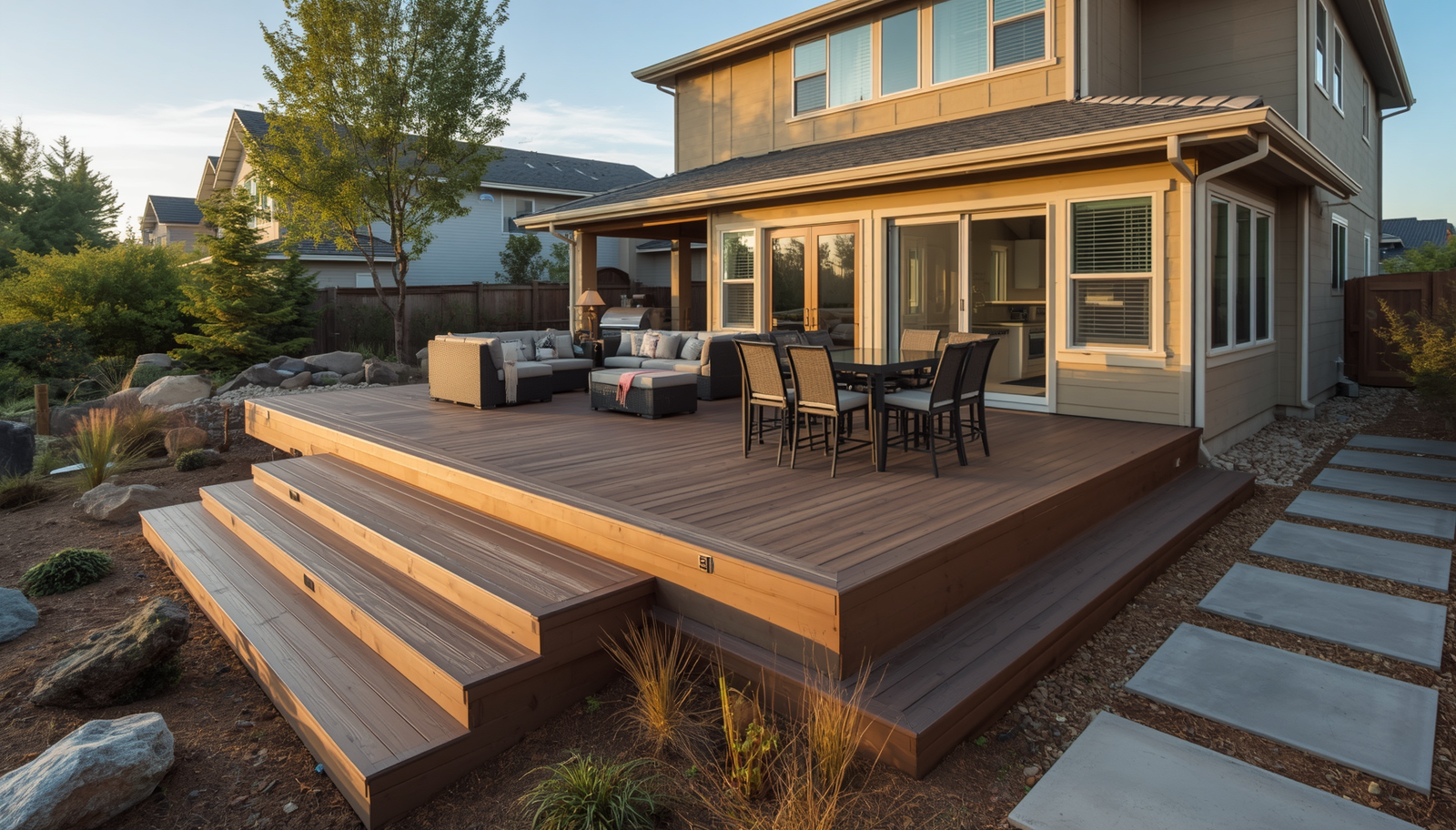
Choosing the right decking material is one of the biggest decisions homeowners make.
Quick Answer
Building a deck is one of the most rewarding ways to expand your home's living space, but a successful project starts long before construction begins. Choosing the right materials, designing for your lifestyle, understanding maintenance requirements, and working with qualified professionals will help ensure your investment adds comfort, enjoyment, and long-term value to your home.
Why It Matters
In Northern California, outdoor living isn't limited to a few months each year. Mild weather across much of the region allows homeowners to enjoy patios, decks, outdoor kitchens, and gathering spaces through every season.
Whether you live in the East Bay, North Bay, Sacramento Region, or Silicon Valley, a thoughtfully designed deck can become an extension of your home—a place to enjoy morning coffee, host family dinners, celebrate holidays, or simply relax after a long day.
But while beautiful deck photos are easy to find online, planning a deck that truly fits your home requires answering a few important questions before construction ever begins.
A little planning today can help you avoid costly changes later while creating an outdoor space you'll enjoy for many years.
Start With How You Want to Live
Many homeowners begin by thinking about the size of the deck or the type of materials they want to use. Instead, begin by imagining how you'll actually use the space.
Ask yourself:
Will this primarily be a quiet retreat or an entertainment space?
How many people do you regularly host?
Will you cook outdoors often?
Do children or grandchildren need room to play?
Do you expect your outdoor living needs to change over the next ten years?
Answering these questions often influences nearly every design decision that follows.
For example, homeowners who frequently entertain may prioritize larger dining areas, wider stairs, integrated seating, and outdoor kitchens. Those seeking a peaceful retreat may place greater emphasis on privacy, landscaping, shade, and comfortable lounge furniture.
Choosing the Right Decking Material
One of the biggest decisions homeowners face is selecting the right decking material. There isn't a single "best" option—only the option that best matches your priorities.
Traditional Wood
Natural wood remains popular for homeowners who appreciate its warmth and authentic appearance.
Advantages include:
Classic natural beauty
Lower initial cost
Easier customization
Can be stained different colors over time
Considerations include:
Regular sealing or staining
Greater maintenance requirements
Potential for splintering
Weather-related movement as wood expands and contracts
Composite Decking
Composite decking has become increasingly popular throughout Northern California because it offers long-term durability with significantly less maintenance.
Advantages include:
Minimal routine maintenance
Excellent resistance to moisture
No annual staining
Consistent appearance
Long product life
Considerations include:
Higher upfront investment
Surface temperatures may become warmer in direct summer sun
Color choices cannot easily be changed later
For homeowners planning to stay in their home for many years, composite materials often provide an attractive balance between appearance and long-term maintenance.
Designing for Comfort Throughout the Year
Northern California's climate encourages outdoor living, but thoughtful design makes the space comfortable throughout changing seasons.
Consider including:
Covered gathering areas
Pergolas for filtered shade
Ceiling fans
Outdoor lighting
Built-in seating
Multiple conversation areas
Weather-resistant storage
Outdoor heaters for cooler evenings
Designing with year-round comfort in mind often increases how frequently homeowners actually use their investment.
Regional Homeowner Insight
Northern California's Climate Creates Unique Opportunities
Unlike regions with long winters, many Northern California homeowners enjoy outdoor living nearly year-round. However, climate conditions vary significantly across the region.
Homes in the Sacramento Valley often experience prolonged summer heat, making shade structures and heat-resistant materials especially valuable. Coastal portions of the North Bay may experience more moisture and morning fog, increasing the importance of proper drainage and moisture-resistant materials. East Bay and Silicon Valley homeowners frequently prioritize seamless indoor-outdoor entertaining spaces that complement modern home designs.
Choosing materials and layouts that reflect your local climate can improve both comfort and long-term durability.
Think Beyond the Deck Surface
Some of the most successful projects focus on the complete outdoor living experience rather than the deck alone.
Homeowners increasingly incorporate features such as:
Outdoor kitchens
Built-in grills
Beverage stations
Fire features (where permitted)
Landscape lighting
Integrated planters
Privacy screens
Audio systems
Dining spaces
Comfortable lounge areas
Planning these elements before construction begins often simplifies electrical, gas, and structural work while helping avoid expensive future modifications.
Don't Overlook Maintenance
Every outdoor living space requires some level of ongoing care.
Before choosing materials, honestly consider how much maintenance you're willing to perform.
Some homeowners enjoy refinishing natural wood every few years. Others prefer materials that require only occasional cleaning.
Matching the deck's maintenance requirements to your lifestyle helps prevent disappointment after installation.
Expert Tip
Don't build only for today's needs.
Experienced contractors often encourage homeowners to think five to ten years ahead. Consider how your family may grow, whether aging-in-place features could become important, or if you might eventually add an outdoor kitchen, spa, or covered patio. Planning for future upgrades now can save considerable time and expense later.
Understand Local Permitting Requirements
Most elevated decks and many larger deck projects require permits and inspections.
Permit requirements help ensure the structure is built safely and complies with local building codes.
While requirements vary between jurisdictions, homeowners should understand:
Whether permits are required
Property setback requirements
Guardrail and stair safety standards
Structural requirements
Inspection schedules
A qualified contractor can typically guide homeowners through the permitting process, but understanding these requirements early helps avoid unexpected delays.
Homeowner Planning Checklist
Before meeting with a contractor, consider the following:
✓ Define your budget range.
✓ Identify how you'll primarily use the deck.
✓ Gather inspiration photos.
✓ Consider future outdoor living additions.
✓ Think about shade throughout the day.
✓ Evaluate privacy from neighboring homes.
✓ Consider maintenance expectations.
✓ Review drainage around your home.
✓ Understand local permit requirements.
✓ Create a prioritized list of "must-have" versus "nice-to-have" features.
Common Mistakes to Avoid
Many deck projects can be improved by avoiding a few common planning mistakes:
Building a deck that's too small for entertaining.
Choosing materials based solely on initial cost.
Forgetting about afternoon sun exposure.
Underestimating future maintenance.
Not planning lighting during initial construction.
Ignoring privacy considerations.
Adding features without considering long-term maintenance.
Hiring based solely on the lowest bid.
Skipping permit research.
Failing to consider how the deck connects with landscaping and the rest of the backyard.
Questions to Ask Before Hiring a Contractor
Before selecting a contractor, consider asking:
How much experience do you have building decks similar to my project?
What decking materials do you recommend for my location and why?
Will permits be required, and who will obtain them?
What maintenance should I expect over the next ten years?
How do you address drainage beneath the deck?
Can you provide references from recent projects?
What warranty do you offer on workmanship?
How will you protect my landscaping during construction?
What project timeline should I realistically expect?
Are there design improvements you would recommend based on how we plan to use the space?
What Homeowners Should Remember
A well-designed deck is much more than an outdoor platform—it's an investment in how you enjoy your home. The best projects begin with thoughtful planning, realistic expectations, and careful consideration of how your family lives today and may live in the future.
By selecting appropriate materials, planning for Northern California's climate, understanding maintenance requirements, and working with qualified professionals, you can create an outdoor living space that adds enjoyment, functionality, and long-term value for years to come.
When to Call a Professional
While homeowners can gather ideas and develop a vision on their own, designing and constructing a safe, durable deck requires careful planning and an understanding of local building requirements. If you're considering a new deck or a major renovation, consult experienced professionals who understand your area's climate, permitting process, and construction best practices.
When you're ready to begin, TheHomeMag's Contractor Directory can help you connect with qualified local deck builders and outdoor living professionals serving the East Bay, North Bay, Sacramento Region, and Silicon Valley.
Additional Resources
The following organizations provide reliable, homeowner-focused information that can help you make informed decisions before planning or building a new deck.
National Association of Home Builders (NAHB)
Resource: Deck Construction & Outdoor Living Resources
Official Website: https://www.nahb.org
The National Association of Home Builders provides homeowner-friendly information about residential construction, remodeling trends, and best practices. While many of its resources are written for industry professionals, homeowners can gain valuable insight into quality construction standards and what to expect during a deck project.
American Wood Council (AWC)
Resource: Prescriptive Residential Wood Deck Construction Guide
Official Website: https://awc.org
The American Wood Council publishes one of the industry's most respected guides to residential deck construction. Although technical in nature, it helps homeowners understand why proper structural design, fasteners, footings, and framing are essential for long-term safety.
California Contractors State License Board (CSLB)
Resource: Hiring a Licensed Contractor
Official Website: https://www.cslb.ca.gov
Before hiring any contractor, homeowners should verify that the company holds an active California contractor license. The CSLB also provides guidance on contracts, permits, deposits, and avoiding common contractor scams.
International Code Council (ICC)
Resource: Residential Building Codes
Official Website: https://www.iccsafe.org
The International Code Council develops many of the building standards adopted by local jurisdictions throughout the United States. While homeowners are not expected to interpret building codes themselves, understanding that decks are built to nationally recognized safety standards can provide confidence during the planning process.
FEMA
Resource: Protecting Your Home from Natural Hazards
Official Website: https://www.fema.gov
For homeowners living in wildfire-prone or earthquake-prone areas, FEMA offers practical guidance on improving home resilience. While a deck is only one part of your property, thoughtful design and material choices can contribute to a safer outdoor environment.
IBHS (Insurance Institute for Business & Home Safety)
Resource: Wildfire and Home Resilience
Official Website: https://ibhs.org
Many Northern California communities face elevated wildfire risk. IBHS provides research-backed recommendations for creating more resilient homes and outdoor spaces, including reducing combustible materials near the home and maintaining defensible space.
UC Master Gardener Program
Resource: Landscaping for California Homes
Official Website: https://mg.ucanr.edu
A beautiful deck is often complemented by thoughtful landscaping. The UC Master Gardener Program offers research-based guidance on selecting climate-appropriate plants, conserving water, and designing landscapes that thrive throughout Northern California.
