
Your Homeowners Policy May Not Cover This Winter’s Biggest Risk
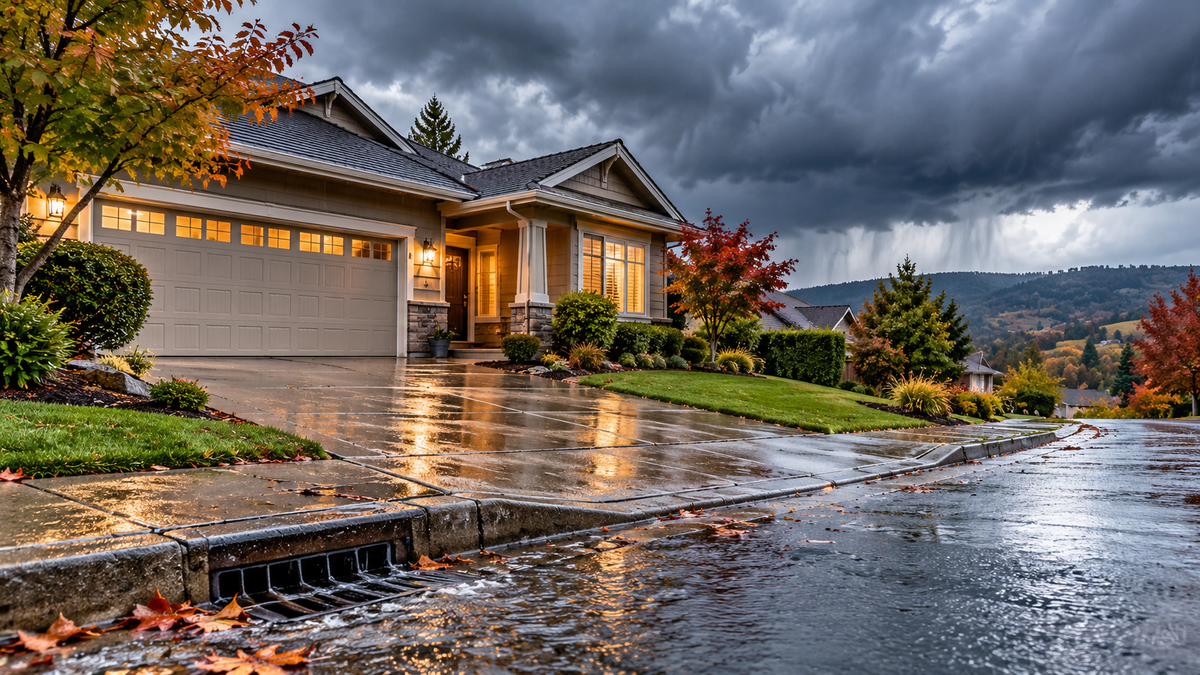
A strong El Niño is building, but the bigger surprise may be in your insurance policy: flood coverage is usually separate, and new NFIP policies typically take 30 days to begin.
A storm can be dramatic. The insurance gap usually is not.
It sits quietly in the paperwork until water reaches the house.
That matters this fall because federal forecasters say El Niño is strengthening, with a greater than 90% chance of becoming a very strong event during the 2026–27 fall and winter. California insurance regulators are already urging homeowners to review coverage before the wettest part of the season arrives.
The biggest surprise for many homeowners: a standard homeowners policy typically does not cover flooding.
Start with the coverage you actually have
Homeowners insurance protects against many kinds of damage, but flooding is usually excluded. Flood coverage is normally purchased separately through the National Flood Insurance Program (NFIP) or, in some cases, through a private insurer.
That distinction matters because “water damage” is not one single insurance category. A burst pipe inside the house, rain entering through storm damage, surface water entering from the street, and a slope failure can all be treated differently depending on the cause and the policy.
The California Department of Insurance specifically warns that standard homeowners and renters policies generally do not cover flooding. If you are unsure how your policy treats flood, mudflow, landslide or debris-flow damage, ask your insurer or agent to explain the exclusions in writing.
The 30-day clock is the part you cannot ignore
For most new NFIP policies, coverage takes effect 30 days after purchase. There are exceptions, including certain mortgage transactions and some map-change or post-wildfire situations, but homeowners should not assume they qualify.
That makes flood insurance different from something you can buy when a major storm appears in the seven-day forecast. By then, it may be too late for a new policy to protect you from that event.
If flood coverage is something you have been meaning to investigate, the useful question is not, “Will it flood this winter?” Nobody can answer that for your property with certainty.
The better question is, “If water reaches my house this winter, what policy would respond?”
Do not let the flood map make the whole decision for you
FEMA flood maps are useful for understanding mapped risk and whether a lender may require flood insurance. But they are not a guarantee that a home outside a designated high-risk area cannot flood.
Heavy rain can overwhelm drainage systems, creeks can rise, burn scars can generate fast runoff, and neighborhood grading or construction can change how water moves. Hillside and low-lying properties can face very different problems even when they are only a few streets apart.
Use the map as one piece of the decision—not as a substitute for understanding the property itself.
Know what a flood policy is designed to protect
Flood insurance is not simply an extension of your homeowners policy. Building coverage and contents coverage are separate, limits and deductibles matter, and some items or areas of the home may receive limited protection. Coverage can also differ between an NFIP policy and a private flood policy.
Ask for a plain-language explanation of what would happen if several inches of surface water entered the home, damaged flooring and drywall, affected appliances, and ruined personal belongings. Then ask the same question about a garage, crawlspace or lower level if your home has one. The goal is to understand the financial gap before you decide whether to insure it.
Five questions worth answering before the storms
1. Does my current homeowners policy include any flood coverage? Do not rely on memory. Check the declarations and exclusions, then ask if anything is unclear.
2. What is my property’s flood exposure? Look at FEMA mapping, local drainage, nearby creeks, slopes, burn scars and the way water moves during heavy rain.
3. Would I need building coverage, contents coverage or both? A policy that helps repair the structure may not protect every belonging in the way you expect.
4. When would a new policy actually become effective? Ask specifically about the waiting period and whether any exception applies to you.
5. Could I document a loss today? A quick smartphone inventory of rooms, major belongings and improvements can make a future claim easier to support.
Preparation and insurance solve different problems
Clearing drains, keeping gutters functional, correcting obvious grading problems and protecting valuables can reduce damage. Insurance helps with the financial consequences when prevention is not enough.
One does not replace the other.
The useful move this fall is simple: do not wait for the first atmospheric river to find out what your policy excludes. Read the coverage now, ask questions while there is time to make a decision, and make sure the protection you think you have is actually there.
Additional Resources
Verified resources for homeowners who want to go deeper:
· California Department of Insurance — El Niño coverage reminder
· California Department of Insurance — Flood Insurance Resources
· National Flood Insurance Program — Policy terms and 30-day waiting period