
10 Smart Ways Northern California Homeowners Can Lower Utility Bills and Protect Home Value
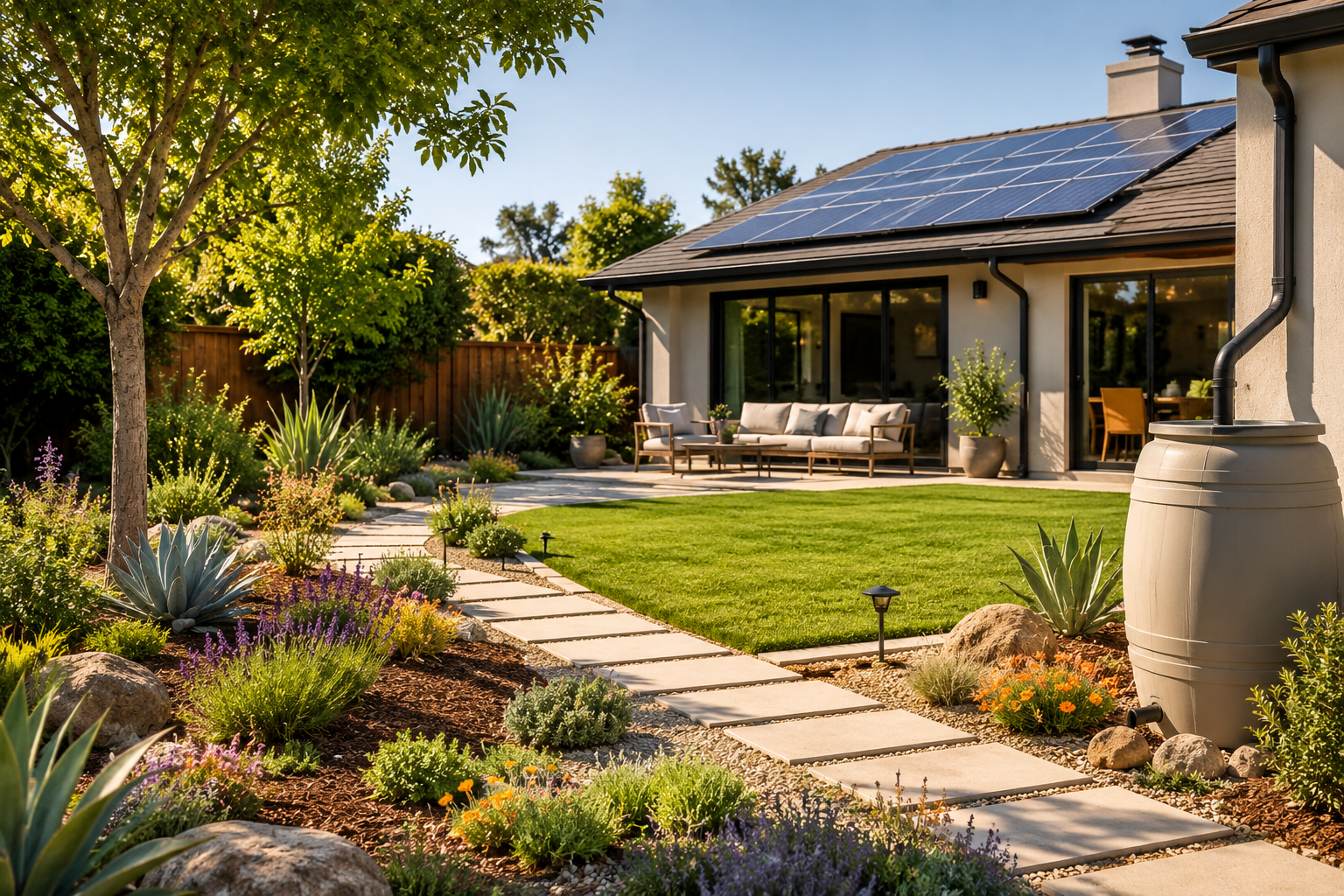
Utility costs continue to rise throughout Northern California and Northern Nevada, making efficiency more important than ever for homeowners. Fortunately, reducing monthly expenses doesn't always require major sacrifices. Strategic improvements can lower utility bills, improve comfort, reduce maintenance, and even increase the value of your home.
Whether you own a home in Sacramento, the East Bay, Silicon Valley, North Bay, or Northern Nevada, these proven strategies can help you save money while making your property more resilient and enjoyable year-round.
1. Replace High-Water Landscaping with Smarter Alternatives
Many homeowners are surprised to learn that outdoor irrigation often accounts for the largest portion of residential water usage.
Traditional lawns can require significant watering during Northern California's long dry seasons. Replacing portions of your lawn with drought-tolerant landscaping, native plants, decorative hardscaping, or high-quality artificial turf can dramatically reduce water consumption.
Benefits include:
Lower monthly water bills
Reduced maintenance costs
Improved drought resilience
Enhanced curb appeal
Increased property desirability
Even homeowners who prefer natural grass can often save substantially by upgrading irrigation systems and selecting climate-appropriate plants.
2. Install a Smart Irrigation System
Many irrigation systems continue watering long after landscapes need it.
Smart controllers use weather data, seasonal adjustments, and soil conditions to deliver the right amount of water at the right time.
These systems can:
Prevent overwatering
Reduce runoff
Lower water bills
Extend plant life
Improve landscape health
For homeowners with larger properties, smart irrigation often delivers one of the fastest returns on investment.
3. Evaluate Your Attic Insulation
One of the most overlooked sources of energy waste is inadequate attic insulation.
During summer, heat entering through the roof forces air conditioning systems to work harder. During winter, conditioned air escapes through poorly insulated attic spaces.
A professional insulation assessment can identify:
Insufficient insulation levels
Air leaks
Ventilation issues
Areas of significant energy loss
Improving attic performance can lower heating and cooling costs while making the home more comfortable year-round.
4. Consider a Home Energy Audit
If your utility bills seem unusually high, a professional energy audit can uncover hidden inefficiencies.
Many contractors now use thermal imaging technology to identify areas where conditioned air escapes.
Common findings include:
Poorly insulated walls
Drafty windows and doors
Leaky ductwork
Inadequate attic insulation
HVAC inefficiencies
Rather than guessing which upgrades will help, an energy audit helps homeowners prioritize improvements based on actual performance.
5. Upgrade to Energy-Efficient Windows and Window Treatments
Windows play a major role in indoor comfort and energy consumption.
Older windows often allow excessive heat transfer, making cooling systems work harder during summer months.
Options to consider include:
Dual-pane windows
Low-E glass
Solar shades
Insulated window coverings
Exterior shade solutions
These upgrades can significantly reduce solar heat gain while improving comfort throughout the home.
6. Use Shade to Reduce Cooling Costs
Outdoor living improvements can also reduce energy expenses.
Strategically placed shade trees, pergolas, covered patios, and shade sails can help limit direct sun exposure on windows and exterior walls.
This approach can:
Reduce indoor temperatures
Lower cooling costs
Extend outdoor living seasons
Improve landscape aesthetics
In hot inland areas such as Sacramento and portions of the East Bay, shade can have a meaningful impact on summer energy usage.
7. Upgrade to a Smart Thermostat
Smart thermostats help homeowners optimize heating and cooling schedules without sacrificing comfort.
These systems can:
Automatically adjust temperatures
Learn household routines
Reduce unnecessary HVAC operation
Provide energy usage insights
Small temperature adjustments can add up to meaningful annual savings.
8. Explore Solar Energy Options Carefully
Solar energy remains an important consideration for many Northern California homeowners.
However, every property is different.
Before investing, homeowners should evaluate:
Roof orientation
Sun exposure
Energy usage patterns
Equipment warranties
Long-term ownership plans
In some situations, battery storage may also provide additional value by improving resilience during outages and peak utility periods.
The best approach is to evaluate solar as part of a broader energy strategy rather than focusing solely on monthly utility savings.
9. Maintain Your HVAC System
An inefficient HVAC system can significantly increase utility costs.
Simple maintenance items include:
Replacing filters regularly
Cleaning vents and registers
Scheduling annual inspections
Checking refrigerant levels
Ensuring proper airflow
Preventive maintenance often improves efficiency while extending equipment life.
10. Don't Overlook Everyday Energy Savings
While major improvements deliver substantial savings, smaller habits still matter.
Homeowners can reduce utility costs by:
Covering swimming pools when not in use
Using ceiling fans strategically
Unplugging unused electronics
Running appliances during lower-demand periods
Maintaining proper water heater settings
When combined, these simple actions can produce noticeable annual savings.
Why Utility Savings Matter Beyond Monthly Bills
Reducing utility costs isn't just about lowering expenses.
Today's buyers increasingly value:
Energy-efficient homes
Water-conscious landscapes
Smart home technology
Solar-ready properties
Sustainable improvements
Many efficiency upgrades improve daily comfort while making a property more attractive to future buyers.
For homeowners focused on long-term property value, efficiency improvements often provide benefits that extend well beyond the utility bill.
What Homeowners Should Remember
Outdoor water use is often the largest opportunity for savings.
Smart irrigation systems can reduce waste without sacrificing landscape quality.
Attic insulation and energy audits frequently uncover hidden inefficiencies.
Energy-efficient upgrades improve both comfort and property value.
Solar can be beneficial, but should be evaluated as part of a complete energy strategy.
Small changes and major improvements work best when combined.
The most effective upgrades are those tailored to your home's specific conditions.
When to Call a Professional
Consider consulting a qualified professional if:
Utility bills have increased significantly without explanation.
Certain rooms are consistently hotter or colder than others.
Your irrigation system runs excessively or creates runoff.
Your home is more than 15 years old and has never had an energy assessment.
You're considering solar, insulation, window replacement, or HVAC upgrades.
You're planning landscape improvements and want to reduce long-term water consumption.
A professional evaluation can help prioritize investments and prevent costly mistakes.
